
Best Cats For Cat Allergies – Hypoallergenic Cats
📅 October 25, 2026 | ⏱️ 10 min read | 📂 Pet Care

Do you love cats but suffer from watery eyes, sneezing and itchy symptoms when around them? You're not alone! Millions of people world wide suffer from cat allergies. However, you may not need to miss out on your dream of owning a feline friend. Many people search online for ‘cats for cat allergies’ in the hopes of finding a breed that is less likely to trigger your symptoms.
Whilst no cat is completely hypoallergenic, there are some hypoallergenic breeds of cats that produce less allergens than others. This article will show you why people suffer from cat allergies, the best cat breeds to own if you suffer from allergies and how to manage your symptoms.
Why Do People Suffer From Cat Allergies?
Most people wrongly believe that it's the hair of the cat causing them an allergic reaction. However it's actually a protein found within the cat's saliva, sebaceous (skin) glands and urine. When the cat grooms themselves this protein spreads across their fur. The hair and skin particles (dander) then fall from their fur and get released into the air. This protein is then inhaled into the lungs or gets into the eyes of someone with allergies and their immune system mistakes it as a harmful invader and causes an allergic reaction.
This protein is very small and sticky which means it can attach to your furniture, carpets and clothes for months. This is why some people with severe allergies can go into a house that has had a cat in it months ago and still get an allergic reaction.
What Does Hypoallergenic Mean?
You may come across lists of hypoallergenic cat breeds online but there isn't any such thing as 100% hypoallergenic cats.
Hypoallergenic just means that they produce less allergens (the Fel d 1 protein) than the average cat. Different cats produce different amounts of this protein meaning some may trigger your allergies and others of the same breed may not.
Therefore, finding cats for cat allergies can be done by finding a breed that produces less allergens and managing your home.
Best Hypoallergenic Cat Breeds
If you are looking for the best cats for allergies here are the breeds that are generally the best:
1. Siberian Cats
Often the first breed to come up when searching for cats for allergies. They have a thick triple layered coat but produce very low amounts of the Fel d 1 protein. Many people with severe cat allergies can live with a Siberian with ease. They are very loving, dog like and love to play.
2. Bengal Cats
Bengal cats have a wild leopard like look to them but are known to produce less dander. They are very active, intelligent and love water. However due to their high energy levels they require lots of stimulation.
3. Sphynx Cats
The Sphynx is famous for being hairless however they aren't completely hypoallergenic. Due to not having any fur to soak up their saliva they require frequent baths. If you bathe them regularly then they can be a great choice for mild allergies.
4. Russian Blue
The Russian Blue has a short double layered coat which doesn't shed much. They are known to produce less of the Fel d 1 protein. They are very quiet, intelligent and form strong bonds with their owner.
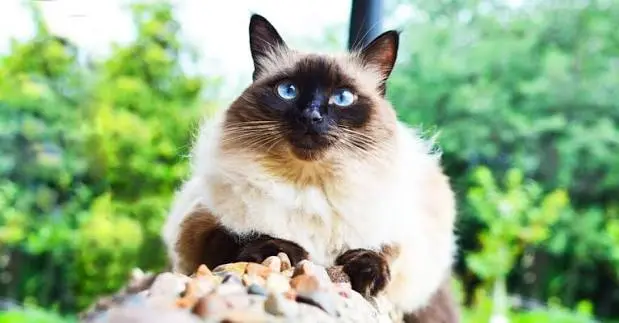
5. Balinese Cat
The Balinese is a long haired Siamese. They have a silky coat that doesn't tangle easily and produce less dander. They are very talkative, sociable and very loving.
6. Devon Rex & Cornish Rex
The Devon Rex & Cornish Rex both have short curly coats that don't shed much. Whilst they aren't hairless their unique coat doesn't hold as much dander. They are playful, cheeky and love interacting with humans.
The Experiment Stage – How To Adopt A Cat With Allergies
As every cat produces different amounts of the Fel d 1 protein you need to experiment to see if the breed is right for you. If you are looking for cats for cat allergies follow the steps below:
- Go To Breeders/Shelters: Spend some time with the specific cat you are interested in. Aim to spend at least an hour in a contained room with them.
- Foster: If possible try to foster the cat. This will give you a trial period to see how your body reacts.
- Ask About The Parents: If you are buying from a breeder ask if you can meet the parents of the kitten. The father's saliva and dander will give you a good idea of what the kitten will be like.
- Meet The Specific Cat: Two cats of the same breed may cause different reactions. You are adopting an individual cat.
Managing Allergies In Your Home
Even if you find a low allergen cat you will still need to manage your home. Here are the best ways:
- Designate A No Cat Area: Make your bedroom a no cat area. You should spend 8 hours a day in here so keeping dander out is important.
- HEPA Air Purifiers: Invest in a good quality HEPA air purifier to catch the tiny dander particles.
- Regular Cleaning: Vacuum with a HEPA filter at least twice a week. Wipe surfaces and wash curtains and bedding in hot water.
- Brush Your Cat: Brush your cat outside or get a non allergic family member to brush them. Wipe them with a damp cloth or pet wipe everyday to remove any saliva and dander.
- High Quality Diet: Some studies show that feeding your cat a high omega 3 diet can help to improve their skin health and reduce dander.
- Wash Your Hands: Always wash your hands after petting your cat.
- No Scented Litter: Strong perfumed litter can irritate your nose and make your symptoms feel much worse. Use a dust free litter with no scent.
Medical Options
If you find a cat you love but still struggle with your allergies you can speak to your doctor.
- Antihistamines: Over the counter antihistamines can help with mild symptoms.
- Allergy Shots (Immunotherapy): Long term option that involves giving you increasing amounts of the allergen to build up your immunity.
- New Medication: New medication is being developed to tackle cat allergies. This helps to prevent the immune system from reacting to the Fel d 1 protein.
Conclusion
Finding the best cats for cat allergies can be a bit of an experiment. Whilst hypoallergenic breeds such as the Siberian, Bengal and Russian Blue are a great place to start it depends on the individual cat. Finding the right breed, keeping your home clean and managing your allergies can help many people with allergies enjoy the love of a feline friend.
FAQs
Related Articles
- How Long Do Cats Live? Average Cat Lifespan Explained
- How Long Are Cats Pregnant? Feline Gestation Guide
- Cat Throwing Up: Causes, Symptoms & When to See a Vet
- Can Cats See in the Dark? Fun Cat Facts & Behavior